Table of contents
The summer travel map is being redrawn in real time, with roadworks, climate-driven disruptions, and crowd-control measures pushing visitors to rethink routes they thought they knew by heart. One unexpected detour can feel like a nuisance, yet it can also unlock quieter towns, better viewpoints, and a different rhythm of travel that fits the moment. In a season where overtourism headlines keep multiplying, the smartest trips are often the ones that adapt, and the best stories sometimes start where the GPS stops insisting.
When the “fast route” stops working
Who decided the quickest way is best? For years, the logic of modern travel has been simple: land, transfer, check in, and start consuming highlights as efficiently as possible, with navigation apps shaving minutes off every segment and turning whole regions into a sequence of “must-sees” linked by optimal driving lines. Yet that model is colliding with a new reality in 2025, one defined by pressure on infrastructure, higher seasonal volatility, and destination management policies that are increasingly willing to slow visitors down rather than let numbers run ahead of capacity.
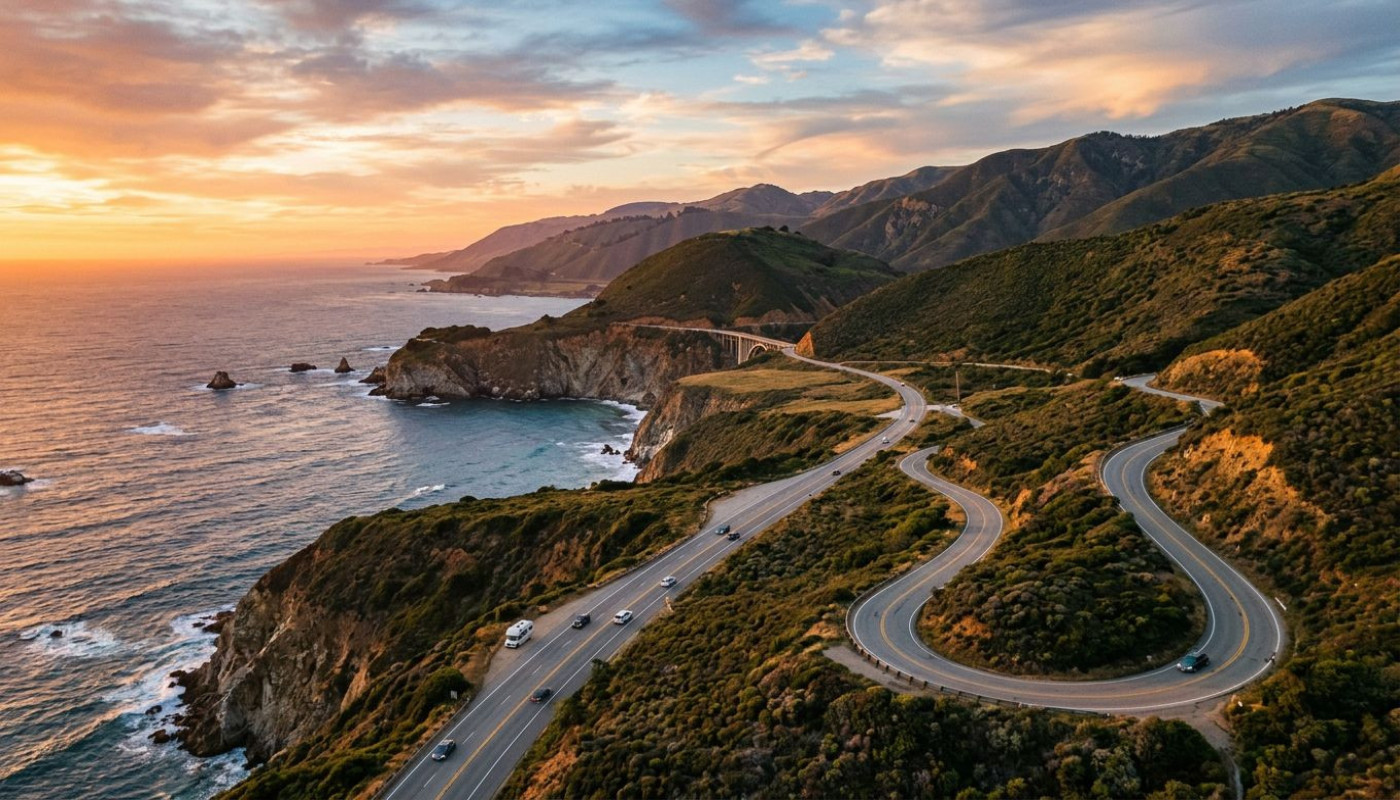
Across Europe, transport ministries and local authorities have leaned harder on temporary closures and phased roadworks to manage maintenance backlogs, and coastal areas in particular have become sensitive to sudden strain, from heat waves that deform asphalt to wildfires that force rapid re-routing. Add the surge effect of social media “hot spots,” and the famed fast route can become the least predictable option, with bottlenecks arriving at the same photo pull-off, the same ferry ramp, or the same mountain pass at the same hour. It is not just anecdotal irritation; the European Commission has repeatedly flagged congestion costs that run into the hundreds of billions of euros annually for the wider economy, and travelers feel their slice of that inefficiency as lost afternoons and shortened stays.
The practical consequence is that detours are no longer edge cases; they are part of the system, and that shift changes how a trip should be planned. The veteran move is to build itineraries around “buffers” rather than tight sequences, and to treat one closed tunnel or a delayed crossing as a prompt to explore, not a reason to panic. It also means rethinking where the real value sits: if the most photographed bay is jammed by midday, the more rewarding experience might be a slower lunch inland, a village viewpoint at golden hour, and a return when day-trippers have already left. In other words, the detour becomes an editor, cutting the filler and forcing choices that can make a familiar destination feel new again.
The detour that reveals the destination
One turn, two worlds. Travelers often talk about “seeing the country,” yet many trips unintentionally skim a narrow corridor between airport, resort, and a handful of signature landmarks, and the distance between those points becomes a blur of service stations and bypasses. A detour breaks that corridor open, pushing you through places that do not appear on top-ten lists, and those places are frequently where a destination’s texture lives: the markets that supply the coast, the hillside farms, the small museums that explain why a region cooks, sings, or builds the way it does.
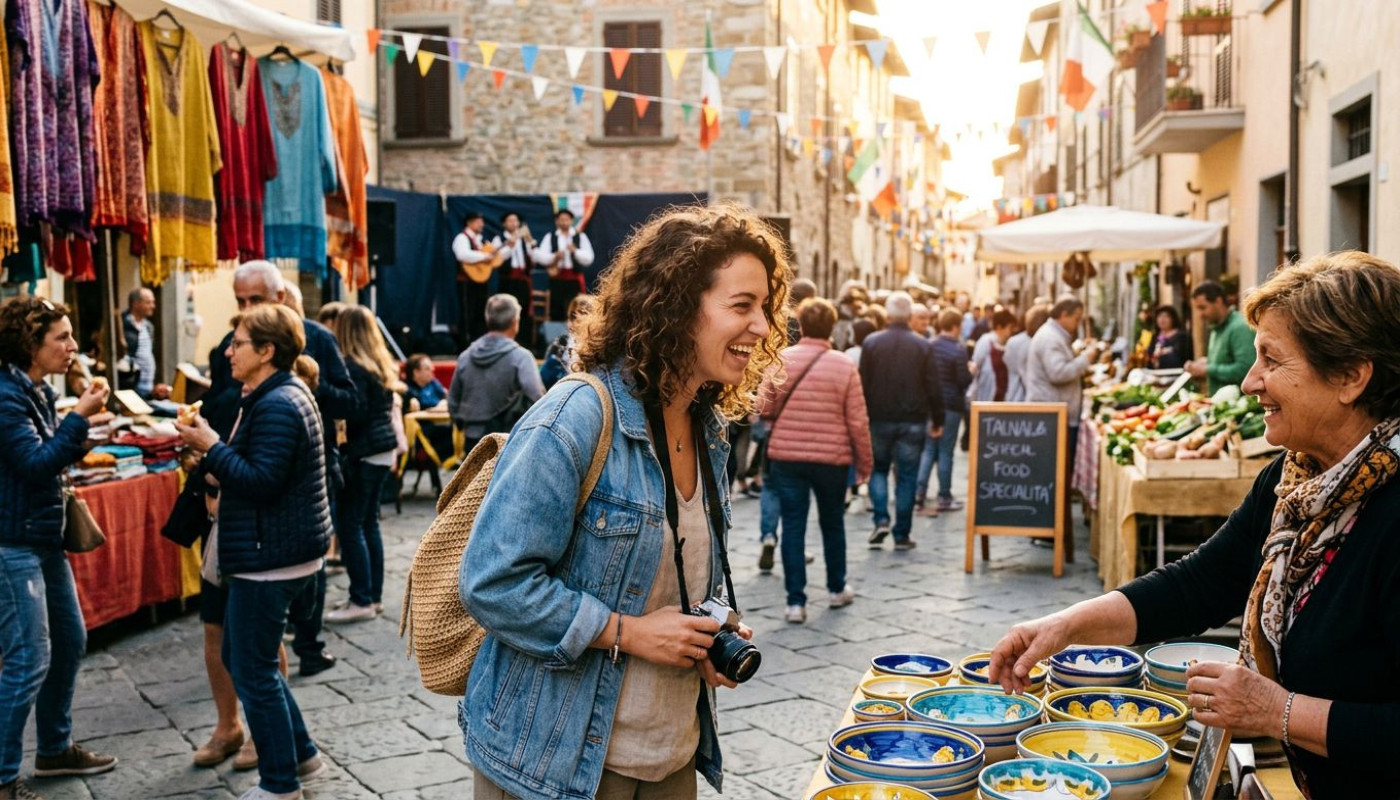
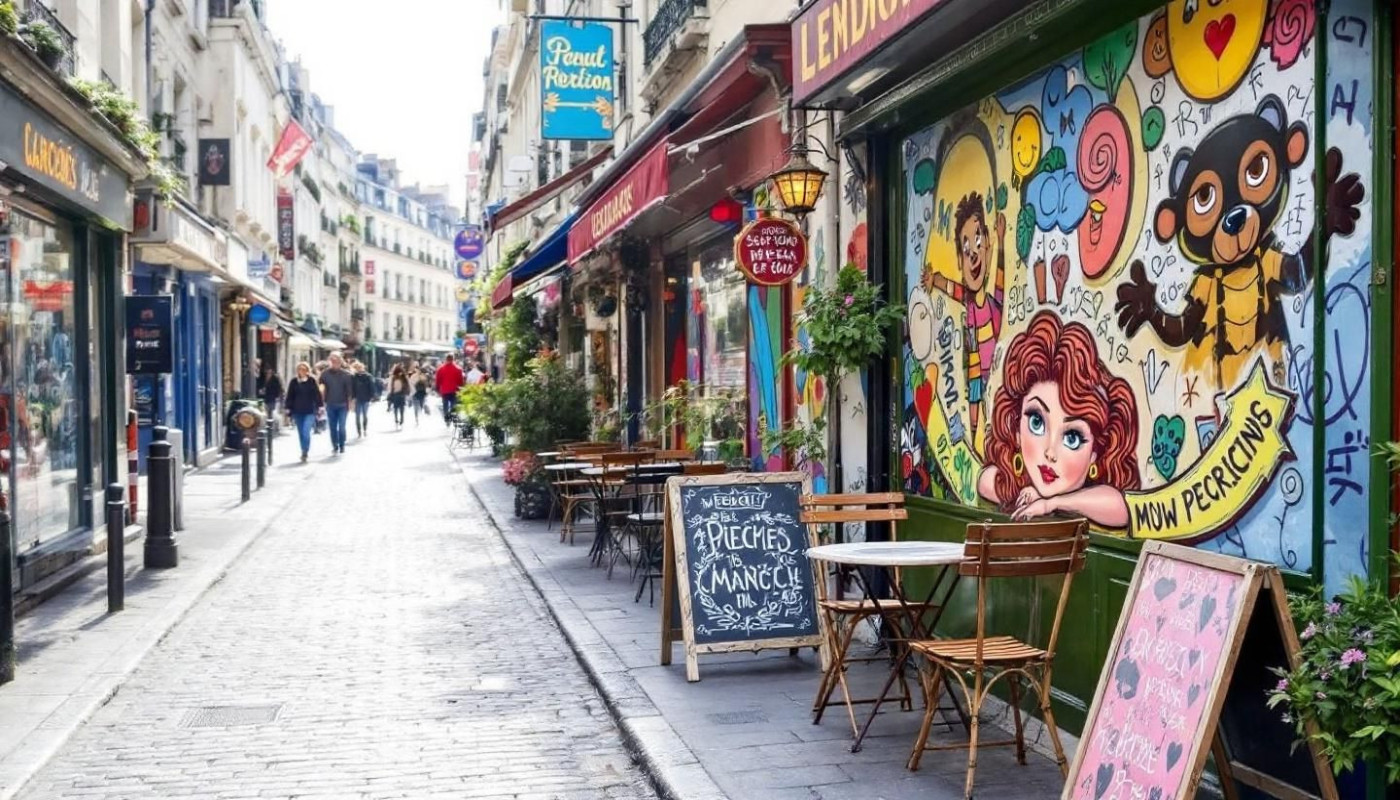
Consider the dynamics of smaller Mediterranean and Adriatic countries, where coastal roads can choke in peak season, but inland routes offer a different tempo, with shade, altitude, and stops that feel more like daily life than performance. A forced reroute from a waterfront highway to a valley road can mean discovering a family-run winery, a fortress with no ticket queue, or a swimming spot where the water is just as clear but the soundtrack is cicadas rather than engines. The same principle plays out in cities: when a popular central area is blocked by an event or a transit interruption, a detour into a secondary neighborhood can lead to better coffee, better conversation, and a more accurate sense of how residents actually use their streets.
There is also a deeper point here about what we are really trying to collect when we travel. A familiar destination can start to feel like a checklist, and checklists flatten experience because they reward completion, not attention. A detour interrupts that reward loop, and it makes room for encounters that cannot be pre-packaged, like the recommendation you get from a shopkeeper, the village festival you did not know existed, or the roadside viewpoint that never became a “spot” because it does not photograph well at noon. These moments rarely go viral, yet they tend to be the ones people retell years later, because they are anchored in surprise and agency rather than replication.
Planning for surprise, without losing control
Spontaneity is not the same as chaos. The challenge is to leave enough room for detours while still protecting the fundamentals: sleep, transport connections, and budget. The most useful approach resembles newsroom triage, with non-negotiables at the top, strong preferences below, and “nice-to-haves” at the bottom. You book what must be secured, like a first night after arrival or a hard-to-get museum slot, and you keep other parts flexible, particularly the middle of the day when crowds peak and delays cascade.
Data helps, even when you are chasing the unplanned. Seasonal occupancy rates in many European leisure markets now spike earlier in the year than they used to, and last-minute pricing can punish travelers who assume they will “figure it out on the road.” That does not mean overbooking; it means choosing a couple of bases and letting detours happen around them, rather than trying to change hotels every night. It also means treating travel time as a variable: if you are driving, add realistic margins for traffic and stops, and if you are relying on ferries or border crossings, assume that timetables can slip, especially during heat waves or high-wind periods.
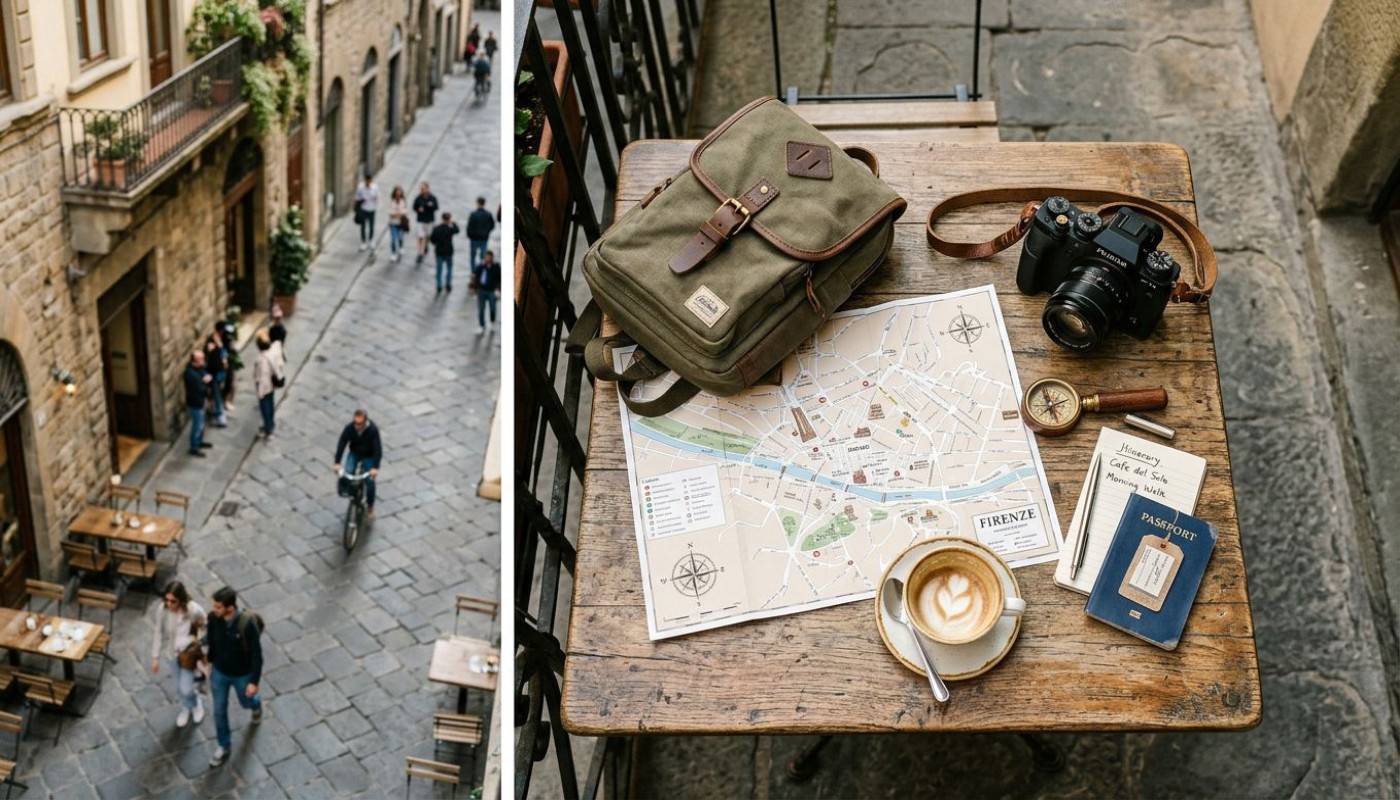
Digital tools should serve that flexibility, not erase it. Offline maps, saved pins, and a shortlist of alternate routes make it easier to pivot when signal drops or a road closes, and a curated set of local guides can replace frantic searching when you suddenly have three extra hours in a town you did not plan to visit. For readers looking to build that kind of adaptable itinerary, a page of helpful resources can be a practical starting point, because the difference between a stressful detour and a memorable one is often as simple as knowing where to park, where to eat, and which viewpoints or trails still feel calm when the main road is packed.
Budgeting for detours is another overlooked skill, and it is less about spending more than about spending differently. The detour tends to shift money away from high-demand attractions and toward local services: a longer lunch, a guided walk in a small town, or an extra night in a place you did not expect to like. Build a small contingency, even 5% to 10% of the trip cost, and you can say yes to the unexpected without guilt, and no to overpriced fixes, like last-minute taxis or panic-booked rooms in the most saturated areas.
Why crowds make detours smarter in 2025
Overtourism is not a buzzword anymore. In the past two years, several European destinations have tightened rules around short-term rentals, introduced or expanded tourist taxes, and increased enforcement in protected areas, and the message is consistent: visitor numbers are welcome, but unmanaged peaks are not. Even when policies differ from one country to the next, the pressure points look familiar, with narrow historic centers, popular beaches, and iconic viewpoints becoming the same stages where everyone shows up at once.
Detours are, in effect, a personal form of crowd management. By shifting your timing or your route, you reduce your exposure to the most congested nodes, and you also reduce the likelihood that your day will be dictated by someone else’s schedule, whether that is a cruise ship arrival or a bus tour wave. The payoff is not only comfort; it is quality. Fewer people in a place often means clearer sound, cleaner photos, easier parking, and more meaningful interaction, and those factors add up to a trip that feels richer even if you technically “saw” fewer headline sights.
There is a responsibility dimension too, and it matters. When travelers distribute themselves more evenly, smaller businesses outside the main corridors benefit, and the strain on fragile hotspots eases, at least marginally. Detours can support destinations that are trying to balance economic gains with livability, because they reward the places that have not been optimized for mass throughput. That does not mean romanticizing every back road or treating local communities as props; it means approaching the detour with respect, spending thoughtfully, and accepting that some places are quieter precisely because they are not built to host everyone at once.
In 2025, the best detour is often the one you choose intentionally, not the one forced by a closure sign. You can plan it as a parallel itinerary, with a “busy-day route” and a “quiet-day route,” and you can decide on the morning which one fits the conditions. That kind of adaptability is quickly becoming the difference between a holiday that feels like a battle for space and a holiday that feels like discovery, even in destinations you thought you already knew.
Before You Go: Make the Detour Work
Reserve key nights early, and keep one or two days flexible for reroutes. Set a contingency budget of 5% to 10% for extra meals, parking, or an unplanned overnight stay, and check whether local or regional passes reduce transport or site-entry costs. If you rent a car, confirm insurance coverage for alternate routes and border crossings.
On the same subject