Table of contents
Skip the checklist tourism, follow the crowd, and you’ll often discover what a place really cares about. Across Europe and beyond, local festivals are driving a quiet reset in the way curious travellers plan their trips, not around monuments and museum slots, but around dates on a cultural calendar, train timetables, and the promise of a one-off atmosphere. From post-pandemic attendance rebounds to cities managing overtourism with timed events, festivals now influence when people come, where they stay, and how long they linger.
Festivals now set the travel clock
Book the flight first, then look for things to do? That logic is fading. For a growing share of travellers, festival dates are the anchor, and the rest of the itinerary is built backwards from a single weekend. Part of it is psychological: a festival feels like a “limited edition” version of a destination, and scarcity is powerful, especially when travel budgets are squeezed by higher airfares and accommodation prices than the pre-2020 norm. But there is also a measurable market shift, with large operators and local organisers reporting strong demand for ticketed cultural events, and with accommodation platforms showing sharper peaks around event weeks than around traditional shoulder-season sightseeing.
The data points in that direction. In the UK, the Association of Independent Festivals reported that more than five million people attended independent festivals in 2022, signalling a robust return of demand after the pandemic years. In the United States, Coachella alone drew about 250,000 attendees across its two 2024 weekends, according to figures widely reported by organisers and local authorities, and cities hosting such events routinely publish the knock-on effects: hotel occupancy surges, restaurant covers spike, and transport networks run at festival intensity. Europe shows the same pattern, from Edinburgh’s summer calendar to Primavera Sound in Barcelona, with local economies treating the event period as a seasonal pillar rather than a bonus.
For travellers, this changes practical planning. Instead of “July in Italy,” the search becomes “that weekend when the city turns into a stage,” and this timing affects price sensitivity. Visit during a major festival and you’ll often pay a premium, yet many travellers accept it because the perceived value shifts from quantity to distinctiveness, and because a tightly scheduled event reduces decision fatigue. The trip feels curated by the destination itself, and when you are short on time, that matters more than another generic day of landmarks.
The itinerary follows the neighbourhood, not downtown
One surprising consequence of festival-led travel is geographic, and it is visible on the ground. Many events are no longer confined to a central venue; they spill into parks, docks, secondary theatres, street corners, and community halls, and that pushes visitors away from the traditional hotel districts. The result is an itinerary shaped by local transit lines, bike routes, and the practical need to be close enough to return late, rather than by proximity to a famous square. This is how travellers end up spending real money in places they might never have visited, and it is also how cities distribute tourism more evenly, sometimes by design.
Consider how a city like Amsterdam manages flows. The Dutch capital has been explicit about tackling crowding in the centre, and while policy tools range from restrictions on certain types of tourism to messaging campaigns, the cultural calendar also plays a role. Events and festivals can pull visitors to different neighbourhoods, and they reward those who are willing to explore beyond the postcard routes, because the best moments happen where the locals actually gather. For travellers assembling a trip around these experiences, local guidance becomes essential, including what to book early, what to see for free, and how to move efficiently between venues. Resources such as https://www.amsterdam-spirit.com/ can help frame that kind of neighbourhood-first itinerary, especially when the goal is to experience a city’s rhythm rather than to tick off its highlights.
This neighbourhood shift also changes the daily shape of travel. A festival day often begins later, peaks in the afternoon, and runs deep into the night, and that alters when you eat, when you rest, and what you can realistically fit in. It nudges travellers towards fewer “must-sees,” more downtime, and more local venues, and it can make a short city break feel richer. The hidden benefit is resilience: if rain cancels one outdoor plan, there is usually another stage, another gallery late opening, another pop-up, and the itinerary adapts without collapsing.
What looks like fun is economic power
Follow the music, and you are also following money. Festivals are not only cultural moments; they are economic engines that can rival traditional tourism drivers for a few concentrated days, and that concentration is precisely what makes them so influential for travel planning. When a destination has a major annual event, it can predict demand more confidently, and businesses can staff up, stock up, and price accordingly, while travellers learn the hard way that procrastination is expensive.
Independent assessments back up the scale. In the UK, UK Music’s “Wish You Were Here” report estimated that music tourism generated about £4.5 billion for the British economy in 2023, supported roughly 56,000 jobs, and was driven by a mix of concerts and festivals drawing both domestic and international visitors. Those figures capture what city officials already see: festival visitors spend broadly, not just on tickets, but on transport, late-night food, and short-notice purchases that spread across many small businesses. That is why councils fight to keep events, and why private operators compete to host them, and it is also why travellers increasingly treat festivals as the “reason to go,” because the destination itself is clearly treating them as a core asset.
The economic logic has a direct impact on the travel experience. When demand is predictable, cities introduce crowd-management tools, from ticketed entry and timed sessions to expanded night transport, and these measures, designed for safety and capacity, can improve the visitor experience too. The best-run festivals reduce friction: clearer signage, better queues, and more reliable transit, and when those systems work, visitors take note and return. The worst-run ones do the opposite, and in an era where a single viral video can define a city’s reputation for a season, organisers have become acutely aware that operational quality is part of destination branding.
Planning gets smarter, and more human
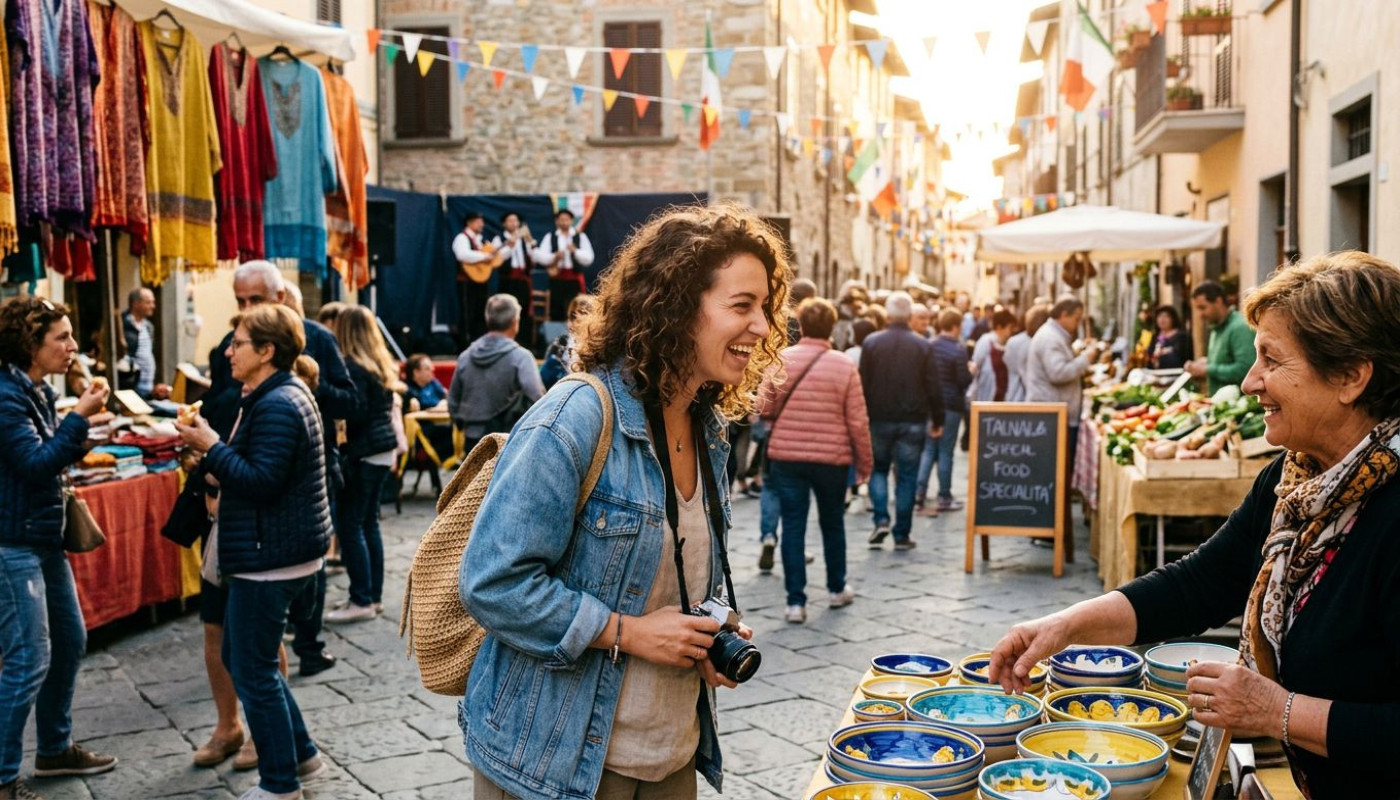
Want the best trip story? Stop chasing perfection. Festival travel rewards flexibility, and it rewards travellers who plan the essentials, then leave space for chance encounters, because the social element is half the point. Unlike classic sightseeing, where each stop can be isolated, a festival links people through shared timing, and that makes spontaneous recommendations more likely: a bartender suggests an afterparty, a couple in a queue points you to a neighbourhood restaurant, a local volunteer tells you which canal bridge has the best view at dusk. For curious explorers, that human layer is the souvenir.
It also changes the research process. Instead of building an itinerary from top-ten lists, travellers increasingly cross-check practical details: venue locations, late-night transit, neighbourhood safety, and weather plans, and they look for sources that understand the city as locals live it. The smartest approach is hybrid. Lock in the immovable pieces, namely festival tickets and any time-sensitive exhibitions, then keep daytime slots adaptable for markets, parks, and smaller cultural spaces that do not require reservations. This prevents the common mistake of stacking too many “big” attractions on the same day as a headline event, and it protects your energy, because festival travel can be physically demanding.
There is a sustainability angle too, and it matters. When travellers plan around festivals, they may be more likely to take trains, stay longer, and cluster experiences within a small radius, reducing the constant movement that inflates a trip’s footprint. Cities, for their part, are experimenting with greener operations, from reusable cup schemes to low-emission logistics, because waste at scale is politically sensitive, and because sponsors increasingly demand credible environmental commitments. None of this makes festivals impact-free, but it does push both organisers and travellers towards more conscious choices, and that shift is becoming part of the appeal for a certain kind of visitor.
How to book without paying the panic tax
Start with dates, then map distances, and only then choose a hotel. Reserve festival tickets early, and budget for peak-week pricing on rooms and late-night transport; if costs jump, look at nearby neighbourhoods with direct tram or metro links. Check whether the city offers visitor passes or cultural discounts, and watch for local or regional rail deals that can cut day-trip costs without adding car stress.
On the same subject