Table of contents
Airports are fuller, train platforms are noisier, and travel planners are smarter than ever, with price alerts, carbon calculators, and real-time crowd maps shaping decisions long before a suitcase is zipped. Yet one stubborn question keeps resurfacing in conversations between seasoned travelers: is the real value in the getting there, or in what waits at the end? The answer matters because it changes everything, from how you spend money and time, to how you remember a place once you’re back home.
Why the “in-between” suddenly feels central
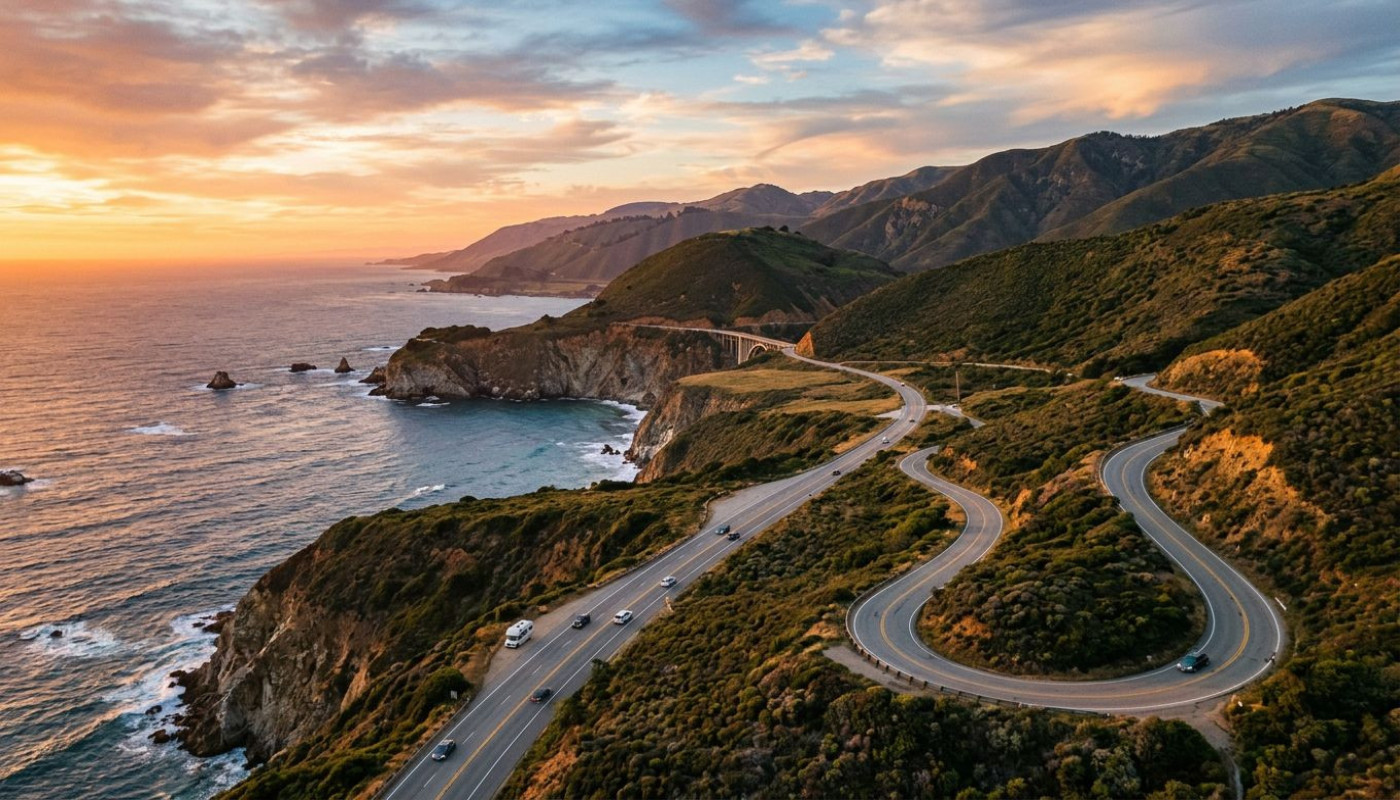
Ask frequent travelers what has changed most in the past few years, and many will point to the journey itself, not the hotel category or the bucket-list checklist. Border controls and delayed connections made movement feel fragile, and that friction forced people to look harder at the hours spent in transit, the choices of route, and the hidden costs that rarely show up in glossy itineraries. In 2024, U.S. airlines reported record passenger revenue even as operational disruptions remained a recurring headline, and in Europe, rail demand kept climbing on corridors where high-speed lines offer a credible alternative to short-haul flights; savvy explorers noticed that the way you move can be as defining as where you sleep.
There is a practical reason, too: time has become the most expensive line item. An overnight train that replaces a hotel night can look like a bargain, and a well-timed connection can save half a day that would otherwise vanish into transfers, queues, and “just in case” buffers. Frequent travelers increasingly evaluate journeys through a productivity lens, choosing routes with reliable Wi‑Fi, comfortable seating, and predictable arrival times, and they factor in jet lag the way they once compared breakfast buffets. When the journey is designed well, it stops being dead time and becomes part of the trip’s payoff, with meals, landscapes, and encounters that can’t be replicated at the destination.
Destination still decides the memory
And yet, when people tell travel stories, they rarely start with Gate B17. They talk about the first hour in a new city, the smell of coffee drifting out of a bar at dawn, the way light hits a façade, and the local rhythm you only catch once you slow down. That is why the destination still does most of the heavy lifting in long-term memory, and why experienced travelers obsess over “fit”: not simply whether a place is famous, but whether it matches their appetite for culture, food, nature, nightlife, or calm.
Data backs up the instinct that place matters. In major leisure markets, spending concentrates around experiences, dining, and local transport rather than the act of getting there, and visitor satisfaction surveys repeatedly show that the strongest drivers of “would recommend” are authenticity, ease of moving around, safety, and the quality of attractions. A destination also shapes the emotional arc of a trip: a chaotic, overcrowded center can turn a short break into a stress test, while a city that manages flows well can make even a modest budget feel generous. Savvy explorers therefore treat the destination as the anchor, and the journey as a tool, and they are ruthless about cutting what doesn’t serve the kind of day they want to live once they arrive.
Smart itineraries blend both, deliberately
So which is more important: the journey or the destination? For experienced travelers, the real skill is refusing the false choice. They design trips where transit, arrival, and on-the-ground days reinforce one another, and where every segment has a purpose, whether that purpose is comfort, scenery, cost control, or simply reducing stress. This is where planning starts to look like editing: you cut unnecessary moves, you cluster activities to avoid cross-town zigzags, and you leave space because the best travel days often come from what you didn’t schedule.
One practical method is to match transport to the trip’s “tempo.” If the goal is discovery and immersion, slower travel can be the feature, not the flaw, and a rail journey with meaningful stopovers becomes a moving narrative rather than a logistical chore. If the goal is a short, high-impact break, speed and predictability win, and that means direct routes, early check-ins, and neighborhoods that reduce reliance on taxis. Seasoned explorers also plan around real constraints that novices underestimate: peak-season crowding, restaurant reservation windows, last-entry times at museums, and the simple physics of walking distance. The more intentional the blend, the more the journey enhances the destination instead of stealing from it, and the more likely you are to come home with the rare feeling that nothing essential was missed.
Naples shows the balance in real life
Few places illustrate the journey-versus-destination debate as sharply as Naples, a city that can overwhelm first-time visitors and reward repeat travelers with intensity, beauty, and a culinary scene that punches far above its price point. Getting there can be effortless if you arrive by high-speed rail from Rome, or complicated if you land at a busy airport during summer peaks, and the choices you make before arrival shape the first impression. Once on the ground, the city’s energy forces a decision: do you chase every highlight, or do you move at street level, letting markets, viewpoints, and neighborhood rituals set the pace?
This is where smart travelers lean on planning that respects both legs of the experience, and where a detailed, up-to-date local guide can prevent the classic mistakes, such as spending hours in transit for a single photo opportunity, or missing the best time slots for a museum and paying for it in queues. For those mapping out routes, neighborhoods, day trips, and seasonal realities, https://www.naples-trip.com can help structure the stay so the arrival feels smooth, the days feel coherent, and the “in-between” time becomes part of the pleasure rather than a tax on the schedule. Naples rewards the traveler who treats movement as strategy and the destination as story, and when the two align, the city stops being a challenge to manage and becomes a place you inhabit, even briefly, with confidence.
What to do before you book
Reserve key visits early, especially in high season, and lock in time-sensitive entries before you optimize the rest of the schedule. Build a realistic budget that includes local transport, peak-hour pricing, and a buffer for the unexpected, and check whether you qualify for discounts, city passes, or museum concessions. Choose a base neighborhood that cuts commuting, then let the journey serve the destination, not the other way around.
On the same subject